
Kratom has been popping up more and more in conversations about natural products, yet many people barely know what it actually is. In this article we explain it honestly: what kratom is, where it comes from, how people use it, and which effects and risks come with it. We are not selling you a miracle cure, we are giving you the information to make a well-considered decision for yourself.
What exactly is kratom?
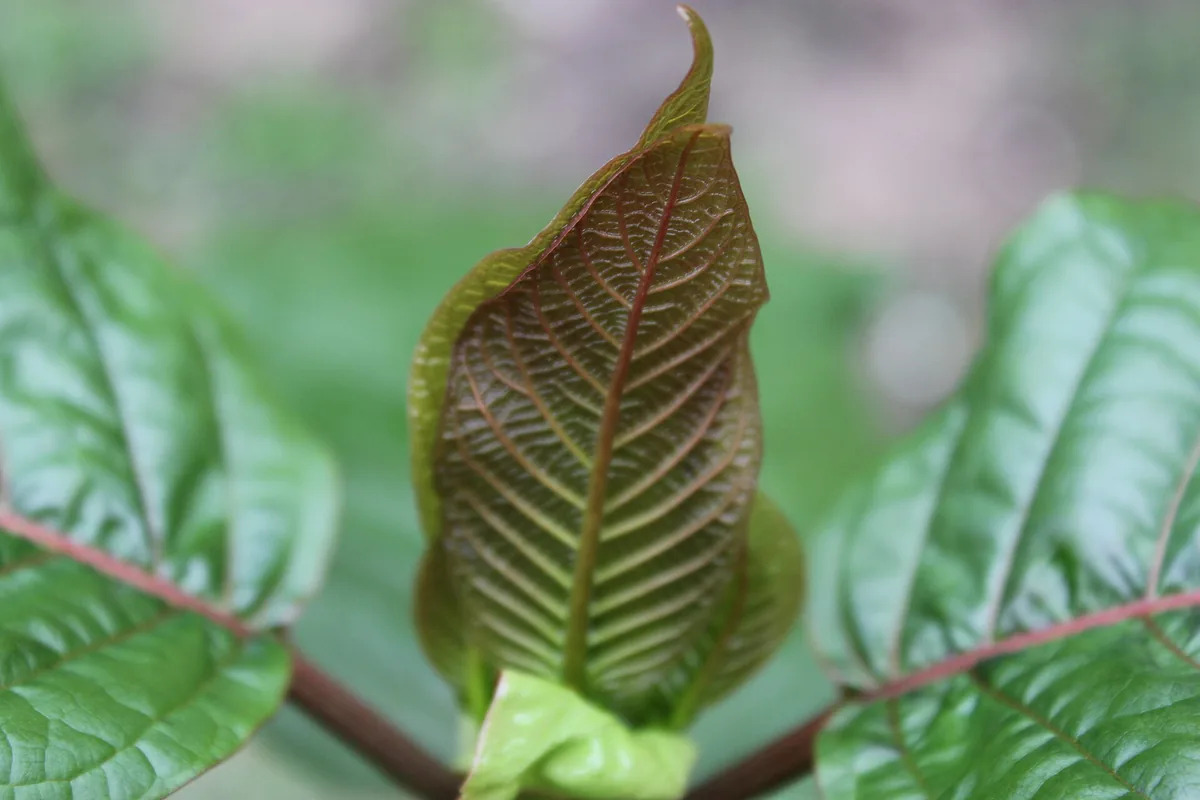
Kratom is the collective name for products made from the leaves of Mitragyna speciosa, a tree that grows naturally in the tropical regions of Southeast Asia, particularly Thailand, Malaysia and Indonesia. Workers in those regions have used the leaves for centuries, traditionally chewing on them to fight fatigue during long working days, or brewing them into tea.
In the West you will almost always encounter kratom in powder form: the dried leaves are ground into a green-brown powder. The active compounds are alkaloids, of which mitragynine and 7-hydroxymitragynine are the most important. Those compounds give kratom its characteristic, dose-dependent effect, and are also the reason it should be used with due care.
How does it work, and why does the effect differ so much by dose?
What is special about kratom is that it has two opposing sides, depending on how much you take. In low doses it works mainly as a stimulant: users describe more energy, alertness and talkativeness, an effect that is sometimes compared to that of a strong cup of coffee. In higher doses it flips to the opposite: relaxation, drowsiness and a feeling of calm.
That is because the alkaloids in kratom act on several receptor systems in the brain, including the opioid receptors. That last point is important to know: it explains why there is a real risk of dependence, more on that further down. One thing worth clearing up: although kratom is sometimes mentioned in the same breath as psychedelics, it is not a psychedelic. It does not give you a trip like truffles do; its effect is of a completely different nature.
The three colors: red, green and white
Kratom is usually offered in three 'colors', which refer to the ripening stage of the leaf and the way it is dried. Each color has its own reputation when it comes to effect, though the experience varies from person to person:
- Red kratom (red vein): the most relaxing type, often chosen for rest and calm. Popular with those looking for relaxation.
- Green kratom (green vein): seen as the middle ground, a milder balance between energy and relaxation, often suggested for those trying kratom for the first time.
- White kratom (white vein): the most energizing type, more often chosen for energy and focus during the day.
This classification is a handy starting point, but not exact science, the strength and effect also depend on the origin, the quality and your personal sensitivity. So always start carefully, whatever the color.
How do people use kratom?
The most common method is the so-called 'toss and wash': a measured amount of powder into the mouth, washed down with water or juice. Because kratom has an earthy, bitter taste (some compare it to strong green tea), many people prefer to mix it into fruit juice or brew it into tea. The effect is usually noticeable within ten to thirty minutes and lasts a few hours.
One thing we cannot stress enough: with kratom, the right dosage is crucial and precise. The difference between a stimulating and a sedating dose is small, and more is definitely not better. Start low, wait for the effect, and never build up in a hurry. Unsure about a suitable starting dose? Feel free to email us, we are happy to think along with you personally.
The risks, named honestly
Here comes the part that many sellers would rather skip, and that we consider important precisely for that reason. Kratom is not without risks, and you deserve to know them before you begin.
The most important point: with regular use, kratom can cause physical dependence. Because the active compounds act on the opioid receptors, your body can get used to them, and withdrawal symptoms can occur when you stop. That does not mean everyone who tries kratom becomes addicted, but it does mean that daily, long-term use poses a real risk. Anyone who uses kratom would do well to keep it to occasional use and stay alert to habituation.
In addition, there are milder, short-lived side effects that occur often: nausea, dizziness, a dry mouth and stomach complaints, especially at higher doses. Never combine kratom with alcohol, opioids or other sedatives, that combination can be dangerous. And because kratom, as a natural product, is barely regulated, quality and purity differ from supplier to supplier; so only buy from a source you trust.
Do not use kratom if you are pregnant or breastfeeding, if you take medication (in which case consult your doctor first), or if you are under 18. If you have a history of addiction, be extra cautious.
Is kratom legal?
In the Netherlands, kratom is currently legally available. But that is not a given: in a growing number of other European countries kratom is now banned or classified as a controlled substance, and the debate about regulation is in full swing. So the status can change. For shipping this also means that kratom is far from allowed into every country, which is why we ship exclusively within the Netherlands.
Finally: a sober weighing-up
Kratom is a plant with a long tradition and effects that many users say they benefit from, from more energy to more calm. At the same time it is a substance that deserves respect: the dosage is precise, the risk of dependence is real, and the scientific research is still in its early stages. Our attitude is simple: if you want to try kratom, do it well-informed, carefully dosed and in moderation.
Questions about which type or dosage suits you? We help you personally by email, no sales pitch, just honest advice.