
You may know CBD by now, but more and more bottles also list CBG. What is it, and how does it differ from CBD? A short explanation, without health promises.
What is CBG?
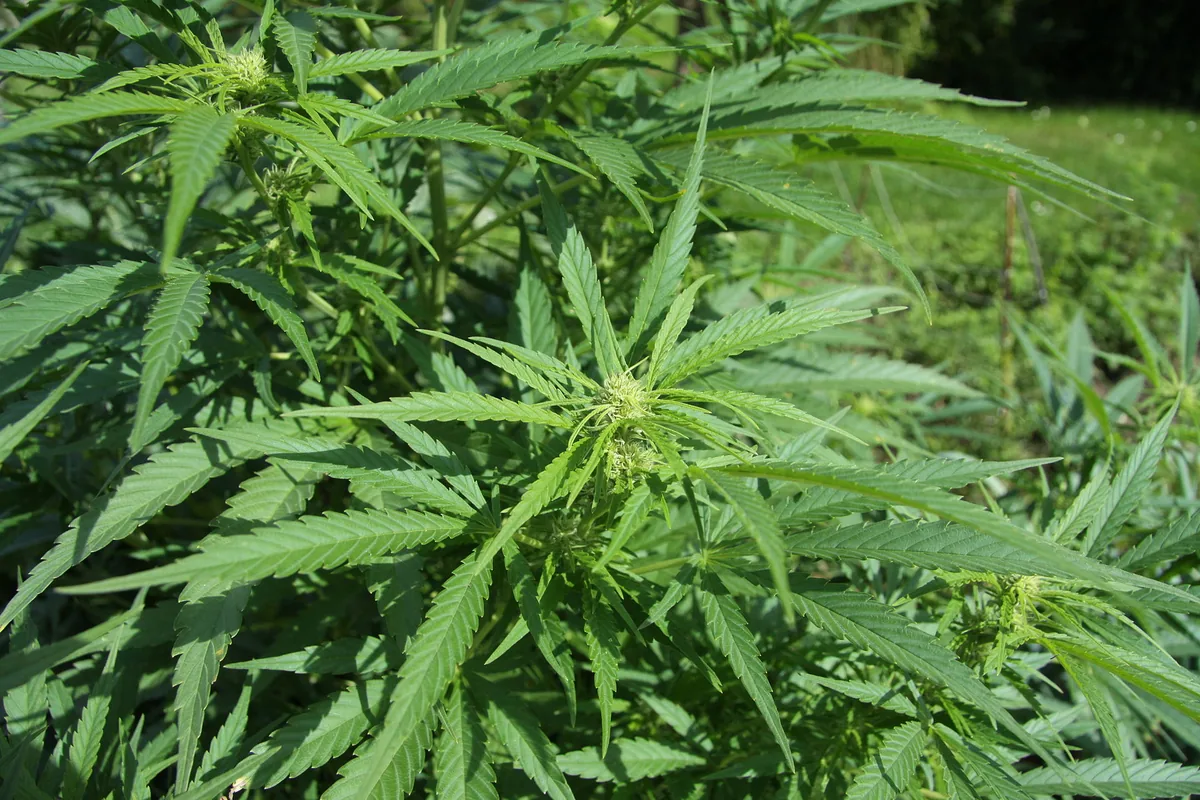
CBG, or cannabigerol in full, is a natural compound from the hemp plant, just like CBD. In the plant it appears early in growth: CBG is considered a kind of precursor from which other cannabinoids such as CBD develop. As a result, a fully grown plant usually contains only a little CBG, which makes it relatively scarce.
How does it differ from CBD?
CBD and CBG come from the same plant and are both cannabinoids, but they are different compounds with their own profile. CBD has been studied far more widely and is better known, while CBG has been researched less so far. What they have in common: neither one gives you a high.
Both without a high
Like CBD, CBG is not psychoactive in the way you know from THC, it will not put you in a haze. Products with CBD or CBG sold in the Netherlands stay under the legal THC limit of 0.2%.
What we do not promise
Here too we are honest: we make no health claims, not about CBD and not about CBG. With CBG in particular there is still relatively little research, so be careful with the big stories you read about it online. Information from us is educational, not medical advice.
Which one do you choose?
That is mostly a matter of preference and curiosity. If you want to understand the basics of CBD first, read what is CBD oil. You can browse the range on the CBD page.
This article is informational and not medical advice. CBD and CBG are not medicines. If in doubt, pregnant or using medication, consult your doctor.