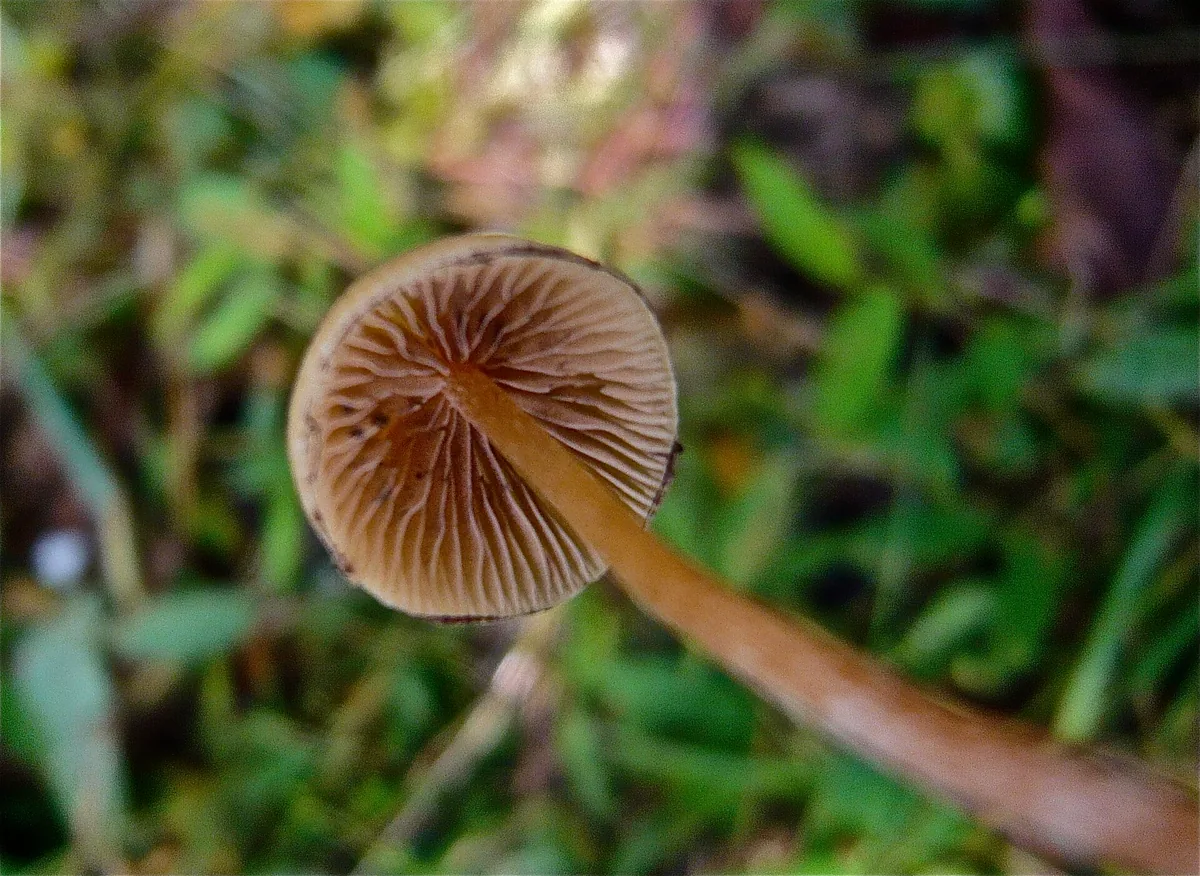
There are around two hundred psilocybin-containing mushrooms, and most belong to the genus Psilocybe. Names like cubensis and semilanceata appear everywhere, but what do they mean, and what use are they in a country where the mushroom itself is banned?
Psilocybe cubensis: the world star
The best known is Psilocybe cubensis, the most cultivated species worldwide and the source of countless varieties. Robust, relatively easy to grow and with a well-documented character, cubensis is many people's first encounter with psilocybin.
Psilocybe semilanceata: the liberty cap
In the Netherlands and the rest of northwestern Europe, Psilocybe semilanceata, the liberty cap, was the wild classic: small, pointed and surprisingly potent. Since the 2008 ban you can no longer pick them legally.
And the truffles?
Truffles (sclerotia) are formed by species including Psilocybe tampanensis, mexicana and atlantis, the same names you see in our range: the Tampanensis, the Mexicana and the Atlantis. The fungus is related, the form is different, and that underground form is what stayed legal in the Netherlands. The why is in magic mushrooms are illegal, truffles are not.
Species, form and strength
The species alone does not determine strength: form, freshness and dose matter just as much. How truffles and mushrooms compare in strength is in magic truffles vs mushrooms.
This article is informational and not medical advice. Psilocybin is 18+. Not suitable with a personal or family history of psychosis or bipolar disorder, during pregnancy or breastfeeding, or with certain medication (consult your doctor first).